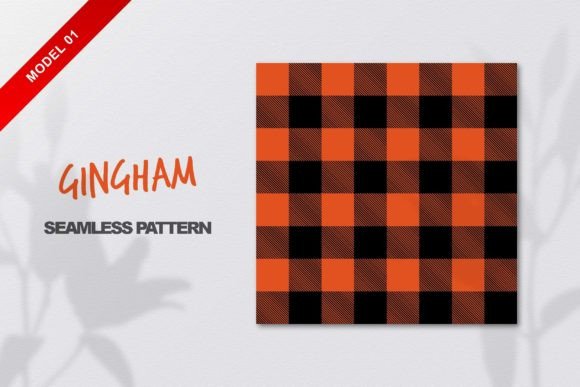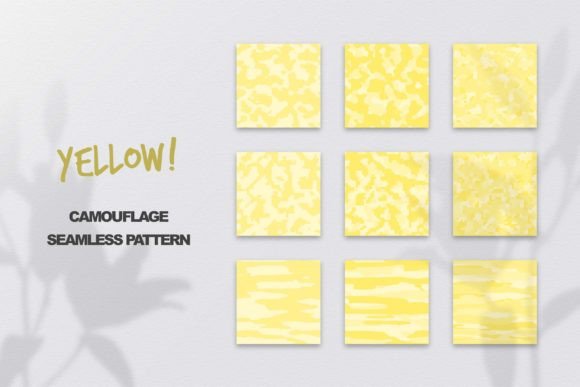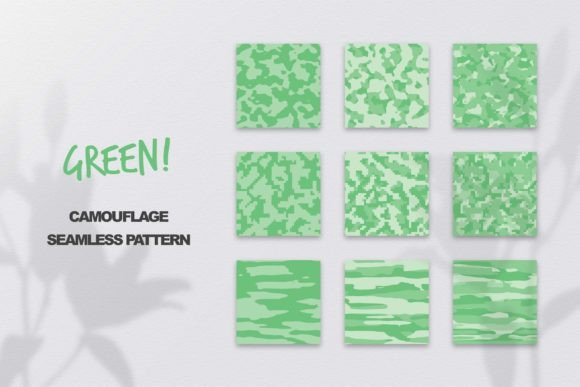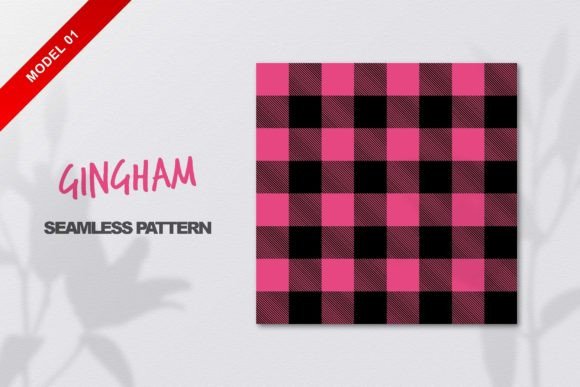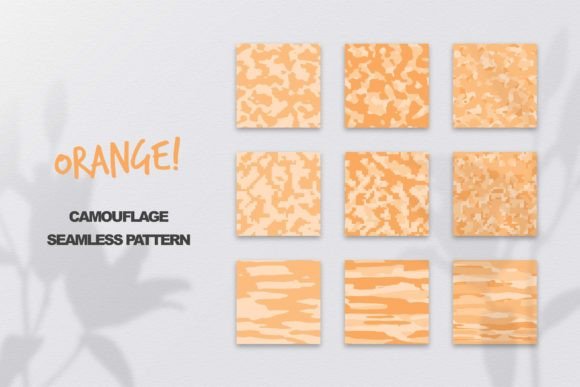
Orange Camouflage Seamless Pattern
The Orange Camouflage Seamless Pattern is a versatile, production-ready design asset built for professionals who need reliable, scalable texture without compromise. Unlike raster-based camo textures that pixelate or lose fidelity at larger sizes, this collection delivers 100% vector-based patterns—each embedded in a single EPS CC file. That means no resolution limits, no quality degradation when scaled to billboard size or reduced for mobile UI elements, and full editability inside Adobe Illustrator or compatible vector editors.
This isn’t just a visual motif—it’s a functional component in your creative workflow. Whether you’re developing branding assets for an outdoor apparel startup, designing presentation templates for a safety training module, or building packaging mockups for a new line of energy drinks, the Orange Camouflage Seamless Pattern integrates cleanly into existing processes without requiring rework, conversion, or external dependencies.
How It Fits Into Real Workflows
Designers and marketers often treat patterns as afterthoughts—applied late in the process to “add texture” or “break up whitespace.” But with the Orange Camouflage Seamless Pattern, timing shifts. Because it’s vector-native and seamless by construction, it becomes usable earlier: during mood board development, wireframing, or even initial client pitch decks. You can drop it into a layout at 10% opacity to test contrast against typography, scale it to fill a full-page background for a trade show banner, or isolate individual shapes to build custom icons—all from the same source file.
For educators and trainers, the orange camouflage aesthetic supports visual hierarchy in learning materials. Its high-visibility base color (orange) paired with organic, irregular shape repetition creates natural focal points—ideal for labeling diagrams, highlighting safety zones in instructional illustrations, or differentiating sections in printed handouts. Since all patterns are seamless, repeating them across multi-page PDFs or slide decks maintains consistency without manual tiling or alignment fixes.
Preparation and Compatibility
No setup is required—but smart preparation improves long-term usability. Before importing the EPS CC file into your project:
- Verify your software version: The file is saved in EPS format compatible with Adobe Illustrator CC 2019 and later. If you use Affinity Designer or CorelDRAW, open and resave as native format first to preserve layer integrity.
- Organize your swatches: Extract the core orange palette (Pantone 158 C, RAL 2004, or sRGB #FF6600 equivalents) and save them to your brand library. This ensures color consistency across print, web, and physical prototypes.
- Test scaling behavior: Duplicate one pattern tile, scale it to 300%, then zoom in. Look for anchor point distortion or unintended stroke weight changes—none should appear, confirming true vector fidelity.
Compatibility extends beyond software. These patterns work alongside common tools like Figma (via SVG export), Canva (after converting to PNG at 300 DPI for print), and InDesign (as linked EPS). They also pair predictably with complementary assets: geometric grids for structured layouts, handwritten fonts for contrast, or matte-finish stock photography for tactile depth.
Freelancers & Small Business Owners
You’re juggling speed and polish. Use the Orange Camouflage Seamless Pattern as a foundational element in your template library—not just for backgrounds, but as clipping masks for product photos or as texture overlays on social media banners. Save three preset versions in your working file: one at 100% scale for large-format use, one at 25% for subtle UI texture, and one recolored using global swatches for quick client revisions. That cuts repetitive tasks by ~40% per project.
Product Managers & Marketers
When launching a new rugged tech accessory, use the pattern in early concept visuals to signal durability and field-readiness—before final specs are locked. Embed it into clickable Figma prototypes to gauge user perception of “toughness” versus “approachability.” Later, reuse the same pattern in email headers, landing page sections, and sales one-sheets. Consistency here builds subconscious recognition faster than logo-only repetition.
Educators & Trainers
In safety certification courses, apply the orange camouflage only to high-risk zone indicators—not entire slides. That trains visual scanning habits. Export pattern tiles as transparent PNGs and layer them over floor plan diagrams in PowerPoint or Google Slides. Because the repeat is mathematically seamless, dragging or resizing won’t expose seams or misalignment—a frequent pain point with JPEG-based textures.
Quality Control and Long-Term Use
Vector patterns don’t degrade—but how you manage them does. Establish simple rules upfront:
- Name files contextually: Instead of “OrangeCamoflage_EPS_v1,” use “OC_Pattern_SafetyBanner_AI2023” to encode purpose, format, and year.
- Archive backups outside cloud sync folders: EPS files can be corrupted silently during aggressive auto-sync. Keep a local backup on an external drive labeled with date and usage notes.
- Document color intent: Add a README.txt inside your asset folder noting whether the orange was calibrated for CMYK print (U.S. Web Coated SWOP v2), digital display (sRGB), or textile dyeing (Pantone TCX). This prevents mismatched output months later.
Long-term, the Orange Camouflage Seamless Pattern gains value through reuse—not novelty. A marketing team that applies it across four campaign phases (teaser, launch, tutorial, recap) trains their audience to associate that texture with reliability. A publisher using it across three editions of a field guide builds tactile continuity between volumes. That kind of consistency doesn’t happen by accident; it happens when the asset is structured for repeatability from day one.
Integration Without Disruption
You don’t need to overhaul your process to benefit from the Orange Camouflage Seamless Pattern. Start small:
- Add it to one recurring deliverable—like your monthly internal report cover—and observe how stakeholders respond to the added visual cohesion.
- Replace a low-resolution JPEG camo texture in an existing InDesign template. Note how much faster the file renders and how cleanly it exports to PDF/X-4.
- Use it as a non-destructive overlay in Photoshop (via Smart Object) on top of product mockups. Adjust blend mode to Multiply or Overlay to control intensity without altering base layers.
The goal isn’t to make everything orange or camo-themed. It’s about having a precise, predictable tool ready when texture serves function—whether that’s guiding attention, signaling category, reinforcing brand voice, or simply reducing visual fatigue in dense layouts. Because it’s seamless and vector-based, it adapts instead of resisting. Because it’s delivered in one clean EPS CC file, it reduces friction instead of adding it.
If you’re evaluating design assets for scalability, consistency, or cross-platform reliability, the Orange Camouflage Seamless Pattern meets those criteria without demanding new software, training, or workflow overhauls. It works where you already do—inside Illustrator, inside your brand guidelines, inside your production calendar. And because every pattern is built to repeat flawlessly, you spend less time fixing alignment and more time refining message, structure, and impact.