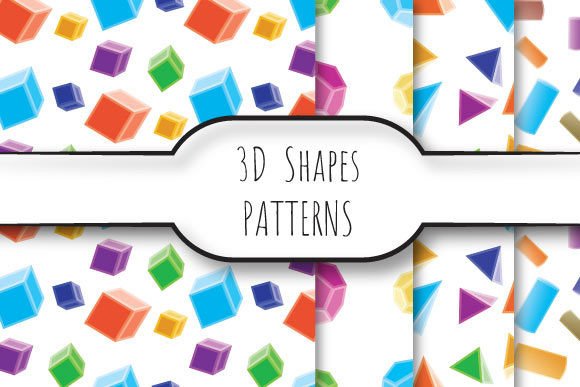
Understanding 3D Shapes in Design: A Practical Guide to Seamless Vector Patterns
In the world of graphic design and digital art, 3D shapes have become an essential tool for creating depth, realism, and visual interest. Whether you're working on product packaging, architectural visualization, or digital illustrations, understanding how to effectively use 3D shapes can elevate your work significantly.
What Are 3D Shapes?
3D shapes are geometric forms that exist in three dimensions—length, width, and depth. Unlike 2D shapes, which are flat and two-dimensional, 3D shapes add volume and perspective to designs. These shapes can be created using various software tools, including Adobe Illustrator, Blender, and SketchUp.
When working with 3D shapes in design, it's important to consider their properties such as surface texture, lighting effects, and shadow casting. These elements contribute to the perception of depth and realism in a design.
Why Would Someone Be Interested in 3D Shapes?
There are several reasons why designers might find 3D shapes valuable:
- Visual Depth and Realism: 3D shapes allow for more realistic representations of objects, making designs more engaging and immersive.
- Design Flexibility: They offer greater flexibility in terms of shape, form, and composition, enabling creative experimentation.
- Professional Applications: From branding to product design, 3D shapes are widely used across various industries to enhance visual communication.
Benefits and Tradeoffs of Using 3D Shapes
While 3D shapes provide numerous advantages, they also come with certain considerations:
Benefits
- Enhanced Visual Impact: 3D shapes can make designs stand out by adding dimension and complexity.
- Greater Creativity: They open up new possibilities for artistic expression and innovation.
- Industry Relevance: Many design fields rely heavily on 3D modeling, making it a valuable skill set.
Tradeoffs
- Technical Complexity: Creating and manipulating 3D shapes requires specialized skills and software.
- Resource Intensity: 3D assets often require more processing power and storage space compared to 2D graphics.
- Time Investment: Developing detailed 3D models can be time-consuming, especially for beginners.
Situations Where 3D Shapes Are a Strong Fit
3D shapes are particularly useful in the following scenarios:
- Product Design: When creating mockups or prototypes for physical products, 3D shapes help visualize the final product accurately.
- Architectural Visualization: 3D models are essential for rendering buildings and spaces in a realistic manner.
- Branding and Packaging: 3D elements can add sophistication and uniqueness to brand identities and packaging designs.
- Digital Illustration: Artists often use 3D shapes to create layered, textured, and dynamic compositions.
When to Consider Alternatives
While 3D shapes offer many benefits, there are situations where alternatives may be more suitable:
- Simple Designs: For projects that don't require complex visuals, 2D graphics may be more efficient and cost-effective.
- Fast Turnaround: If time is a constraint, 2D assets can often be produced more quickly than detailed 3D models.
- Low-Power Devices: 3D content can be resource-intensive, so simpler formats may be better suited for mobile or low-end devices.
Practical Decision-Making Insights
When deciding whether to use 3D shapes, consider the following factors:
- Project Scope: Larger, more complex projects may benefit from 3D modeling, while smaller tasks might not require it.
- Target Audience: Understanding who your audience is will help determine the level of detail and realism needed.
- Tools and Skills: Ensure you have the necessary software and expertise to work with 3D shapes effectively.
- Cost and Time: Evaluate the financial and temporal investment required for 3D modeling versus other design approaches.
Conclusion
3D shapes play a crucial role in modern design, offering unique opportunities for creativity and visual storytelling. However, their implementation requires careful consideration of technical, practical, and aesthetic factors. By understanding when and how to use 3D shapes, designers can make informed decisions that align with their goals and project requirements.